Save this image
How to mix in key with the Camelot wheel
- Same code (8A to 8A): the safest mix.
- One step around the wheel (8A to 7A or 9A): the next key, one note different. Up a step lifts the energy a little.
- Same number, other letter (8A to 8B): from A minor to C major. Same notes, brighter mood.
- Seven steps up (8A to 3A): one half step higher. A bold energy boost, best used on purpose.
Every key and its Camelot code
The wheel is the circle of fifths, renumbered so DJs can see compatible keys at a glance. Mixed In Key popularized it; most DJ software can show keys in Camelot codes. See the circle of fifths behind it.
Find a track's Camelot code
Drop the track into our free key finder: it shows the key and the Camelot code.
Song not on your computer? DOT reads it while it plays.
Questions
What is the Camelot wheel?
A chart that gives each musical key a code, 1A to 12B, so DJs can see which tracks mix in key.
What does 8A mean in Camelot?
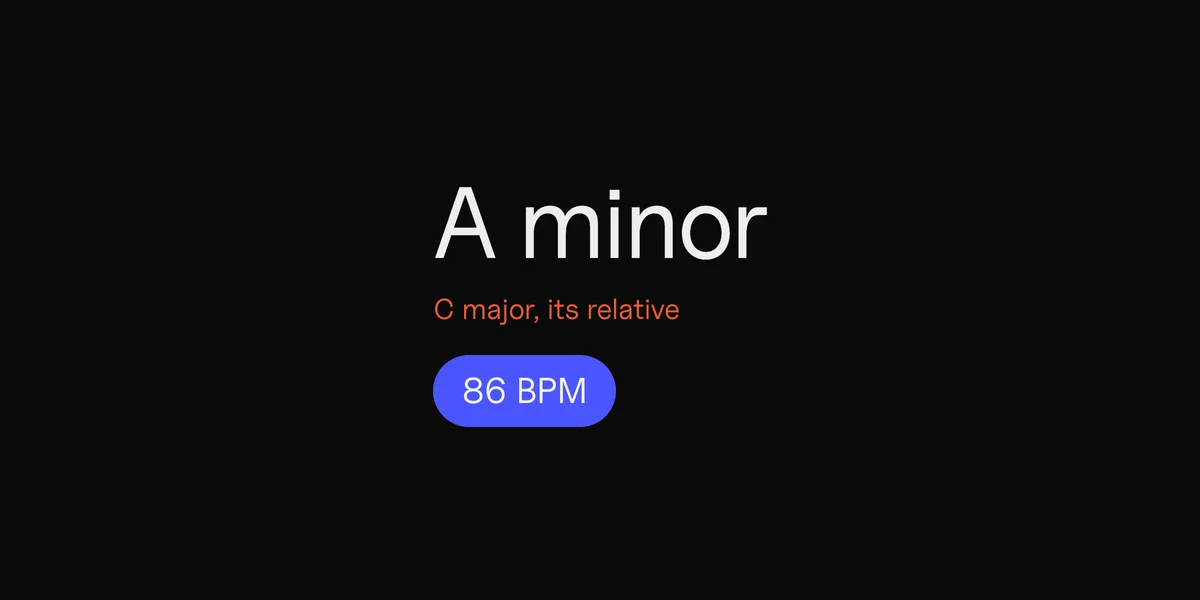
A minor. 8B is C major, its relative major.
Which keys mix well together?
The same code, one step around the wheel (for example 8A with 7A or 9A), or the same number with the other letter (8A with 8B).
Piano: Salamander Grand Piano, CC BY 3.0
 DOT7 min read
 Clips8 min read