How Spotify calculates monthly listeners
- One stream of 30 seconds or more in the past 28 days makes someone a monthly listener.
- The window rolls forward a day at a time, so the number climbs during a release or a playlist add and starts falling about four weeks after the plays slow down.
- It counts everyone, both people who chose your music and people who only heard it on a playlist or the radio.
- It’s public. Anyone can see it on your Spotify profile.

What’s inside the number
Spotify for Artists splits the number into four groups:
| Group | Who they are |
|---|---|
| Programmed listeners | Only heard you from editorial playlists, algorithmic playlists and radio |
| Light listeners | Played you on purpose 1 or 2 times in the last 28 days |
| Moderate listeners | Played you on purpose 3 to 14 times |
| Super listeners | Played you on purpose 15 or more times |
“On purpose” means from your profile, their own playlists or their library. Spotify calls these your monthly active listeners. Someone counts as programmed when they haven’t played you on purpose in two years.
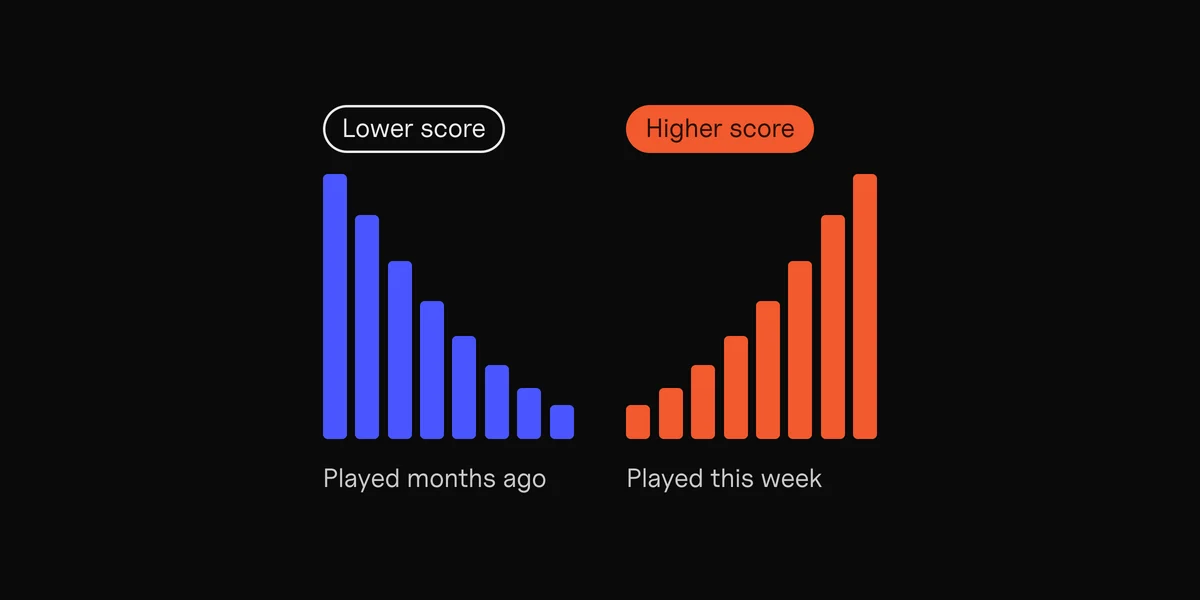
The groups behave differently. In Spotify’s Fan Study, nearly two-thirds of super listeners were still listening six months later, against about one-third of light listeners. A listener who adds an artist to one of their own playlists then streams that artist 41% more on average.
A big number made mostly of programmed listeners goes when the playlist drops you. Active listeners stay.
How to see and track your monthly listeners
- In Spotify for Artists, the Audience section shows your monthly listeners over time and the groups above.
- For other artists, the number is on their profile. Paid analytics services such as Chartmetric and Soundcharts record it over time, so you can see its history.
- Watch the groups as well as the total. A rise in active listeners is worth more than a jump of playlist plays.
How to grow monthly listeners that stay
- 1
Release regularly,
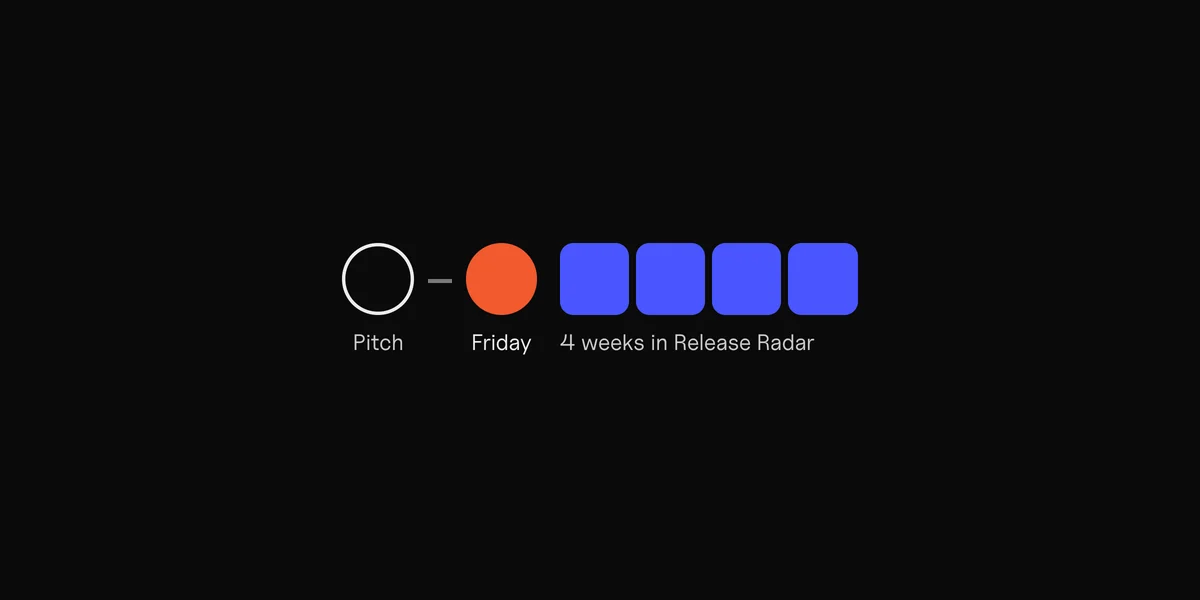
and pitch each release in Spotify for Artists at least 7 days ahead, so your followers get it in Release Radar.
- 2
Turn programmed listeners into active ones.
Ask for the follow and the save in your posts, videos and bio.
- 3
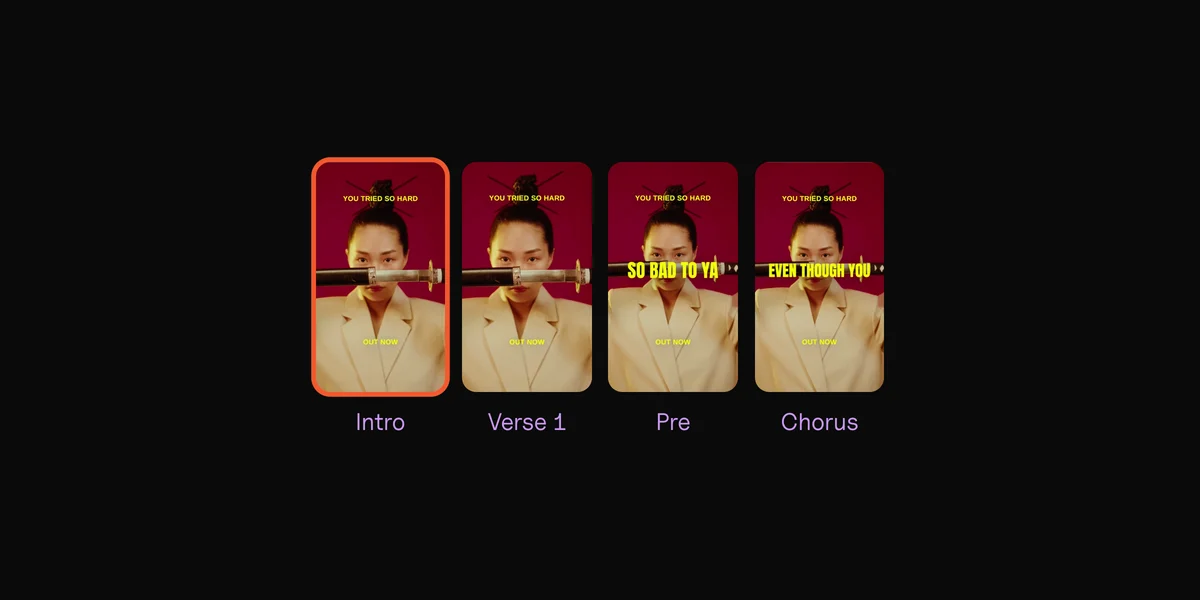
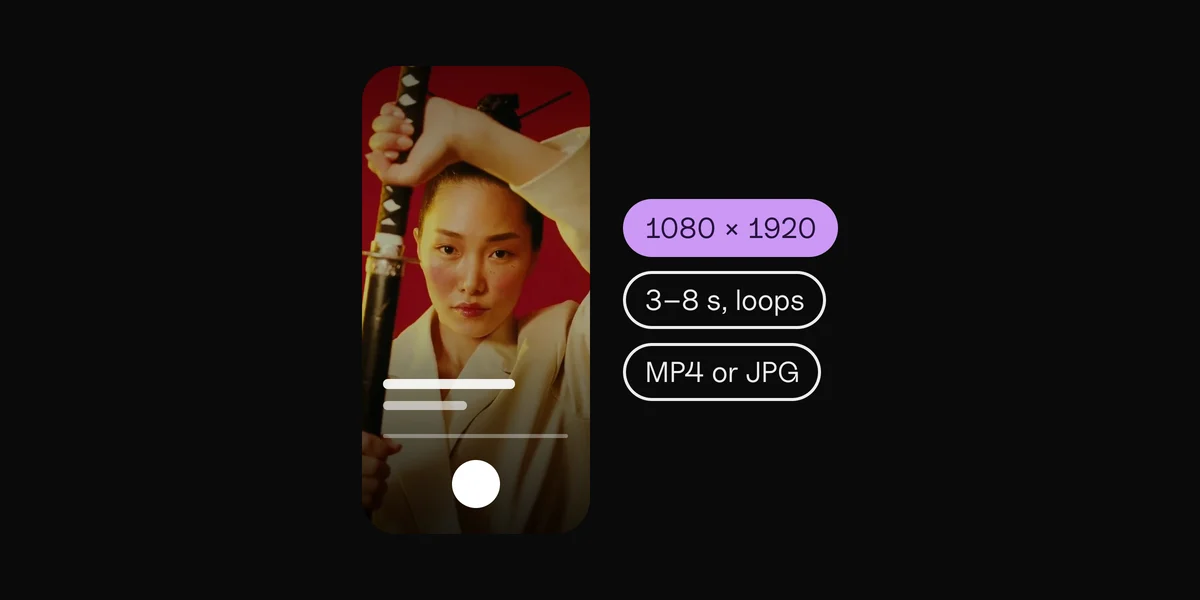
Add a Canvas.
In Spotify’s Fan Study, listeners save or playlist tracks with a Canvas over 4 times more on average (the Canvas guide has the sizes).
- 4
Bring listeners who chose to come.
An ad with the strongest part of your song sends people who tapped because they liked it. They save and follow, and they stay in your count after the ad stops.
- 5
Pitch to editorial playlists too,
as a bonus. Those listeners count as programmed until they come back on their own.
Should you buy monthly listeners?
No, for four reasons.
- It breaks Spotify’s rules. Spotify says paid services that guarantee streams “aren’t legitimate”.
- It can cost you money. When Spotify confirms artificial streams, it can withhold the royalties, correct your public numbers and remove the song from its playlists. When the fake streaming on a track is very high, it charges your distributor a fee for it, and distributors then take music down or close accounts.
- Bought listeners never save, follow or come back, so they add nothing to your next release.
- They spoil your own data. Your audience fills with cities and ages that aren’t your fans, which makes your ads and tour plans harder to aim.
Sources
5
- Audience segments on Spotify, Spotify for Artists
- Fan Study: fan connection, Spotify for Artists
- Getting music on Release Radar, Spotify for Artists
- Artificial streaming and paid 3rd-party services that guarantee streams, Spotify for Artists
- Using Discovery Mode in Spotify for Artists, Spotify for Artists

 Clips5 min read