What Spotify says its recommendations learn from
Spotify's own page on recommendations names four kinds of signal:
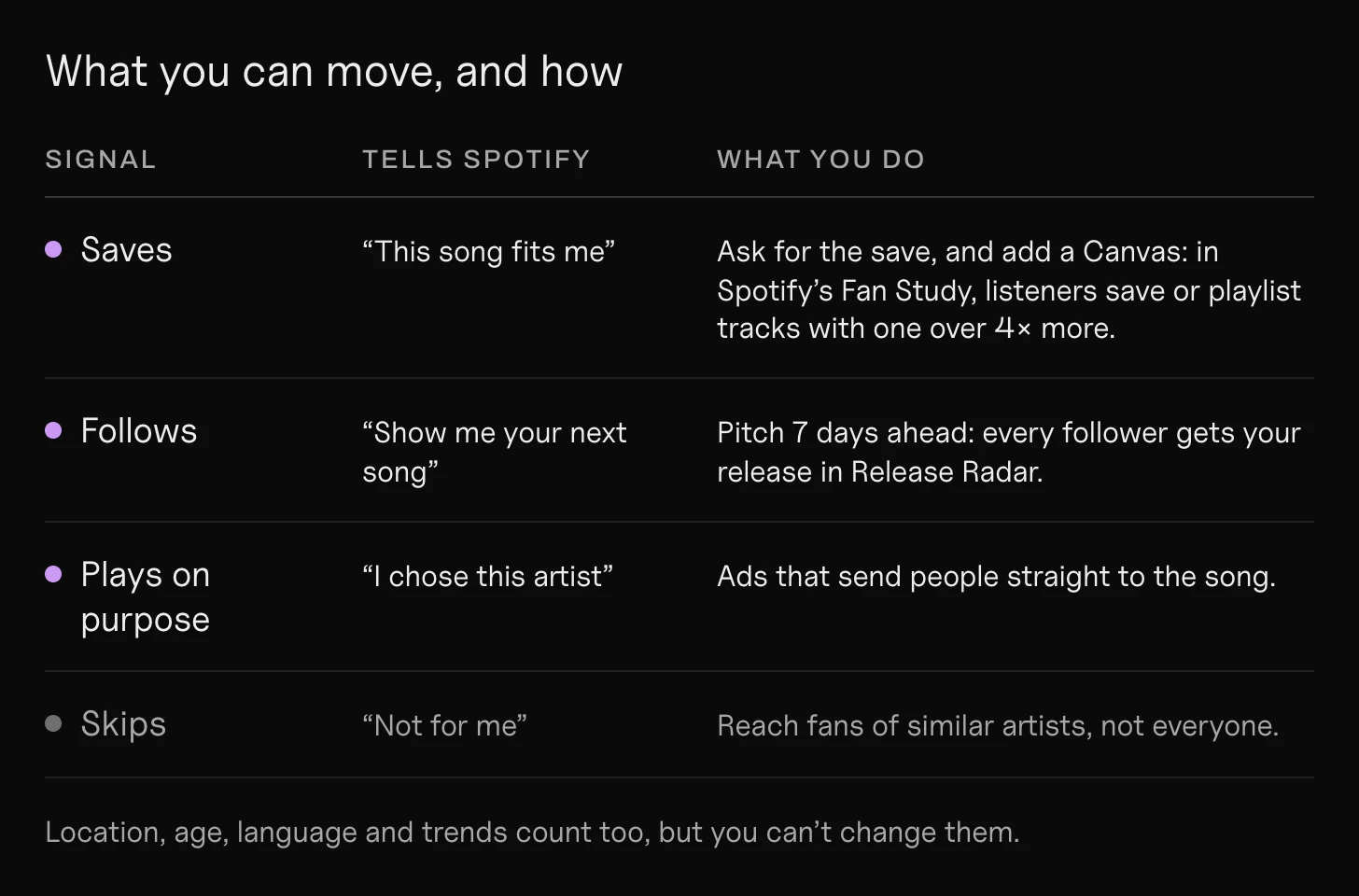
- What people do: searching, listening, skipping and saving to their library.
- What they share: their general location, device, language, age, and who they follow.
- Trends: what large groups of listeners with similar taste do.
- The music itself: its genre, release date and other characteristics.
So for an artist, a listener who saves your song or follows you tells Spotify much more than a single play. And a skip tells it something too: that the song wasn't right for that listener.
The playlists the algorithm builds
What's in it · Updates · How your song gets in
| Playlist | What's in it | Updates | How your song gets in |
|---|---|---|---|
| Release Radar | New songs from artists a listener follows, plus picks | Fridays | Your followers get it. Pitch 7 days ahead to choose the song |
| Discover Weekly | Songs Spotify thinks they'll love | Mondays | Spotify doesn't say. Plays, saves and returns |
| Radio, Autoplay, Mixes | Endless listening after a song or a mood | As people listen | The same signals. Discovery Mode can help |
How Release Radar works for your release
This part Spotify spells out in its help pages for artists:
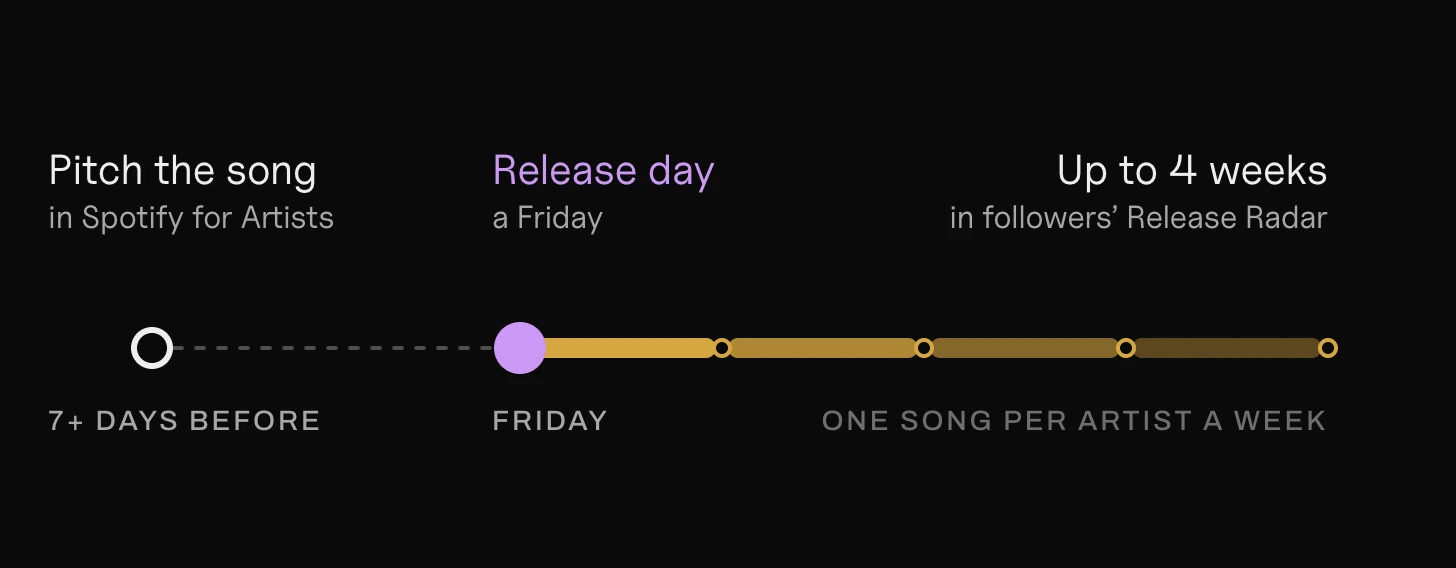
- Your followers get songs from your new release in their Release Radar.
- Pitch a song in Spotify for Artists at least 7 days before release day, and that's the song they get. If you don't pitch, Spotify picks one from the release.
- Each listener gets one song per artist a week, and a song stays for up to 4 weeks if they haven't heard it yet.
- Release Radar also reaches people who listen to you without following, and some who Spotify thinks will like you.
That makes followers the most valuable number you have: every follower is a Release Radar slot on your next release day, without paying for it.
Discovery Mode: paying for more recommendations
Discovery Mode lets you mark songs as a priority so Spotify is more likely to recommend them in Spotify Radio, Autoplay and Spotify Mixes.
- It isn't a guarantee. Spotify says it raises the likelihood, nothing more, and it doesn't apply to editorial playlists.
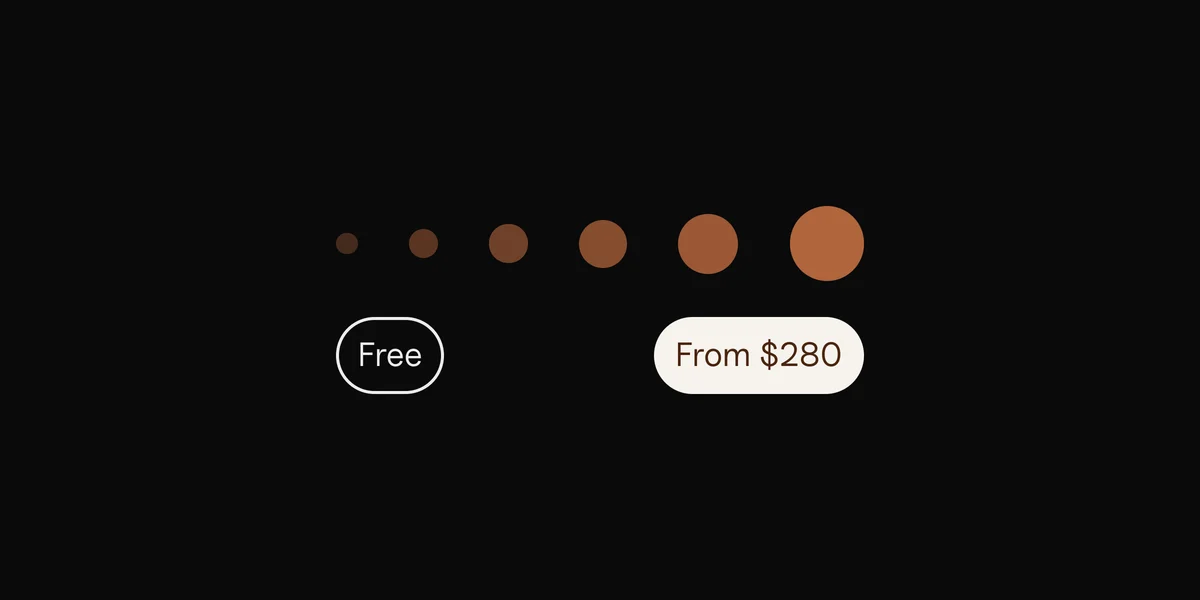
- It costs a 30% commission on the recording royalties from those streams. There's no upfront budget.
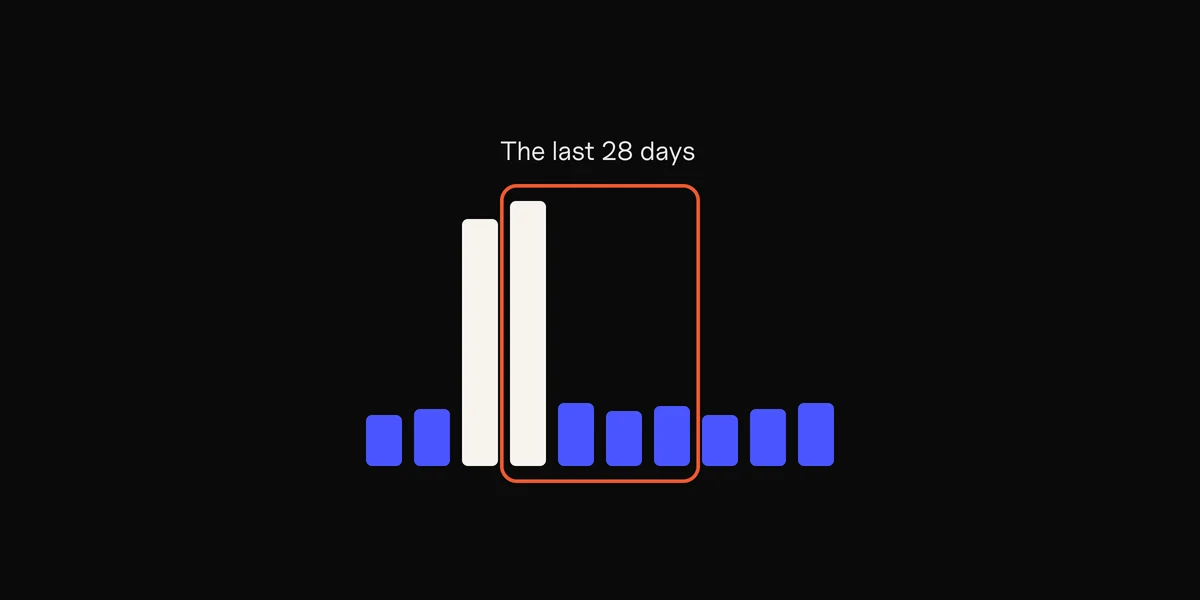
- Most new artists can't use it yet. Your team needs at least 25,000 monthly listeners and 3 eligible songs; a song must be out for at least 30 days, have 20 streams in those places in the last 28 days, and come through a supported distributor. It's also still in beta in some countries.
What an artist can actually do
- Pitch every release at least 7 days ahead, so every follower gets the song you chose on release day.
- Turn listeners into followers. Ask for the follow in your posts, your bio and your videos. Each follower is a slot on every future Release Radar.
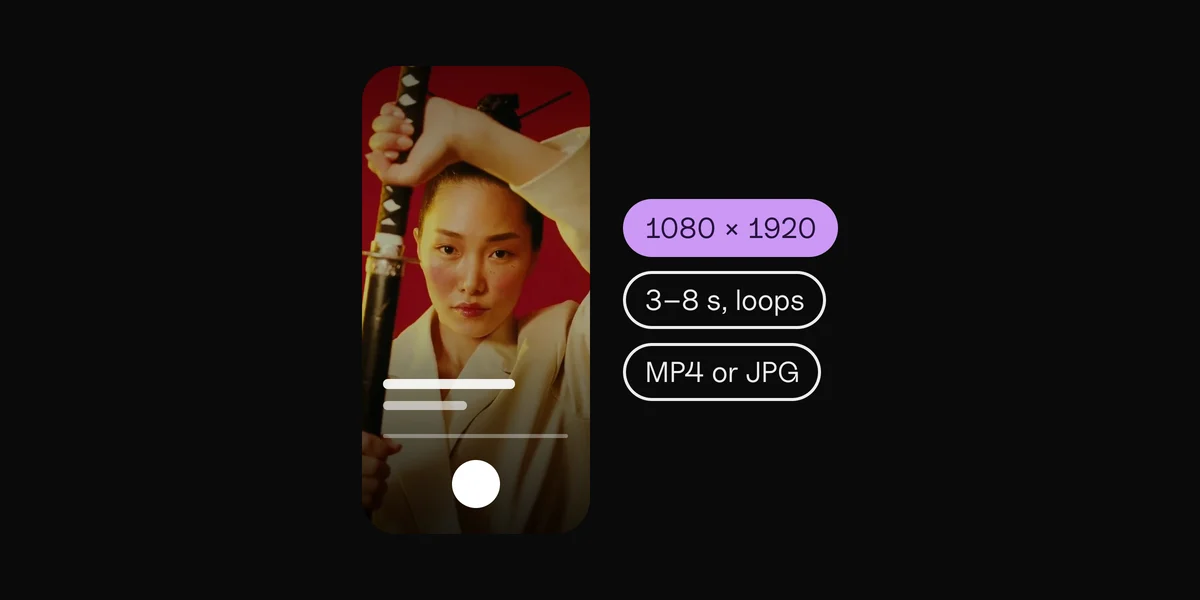
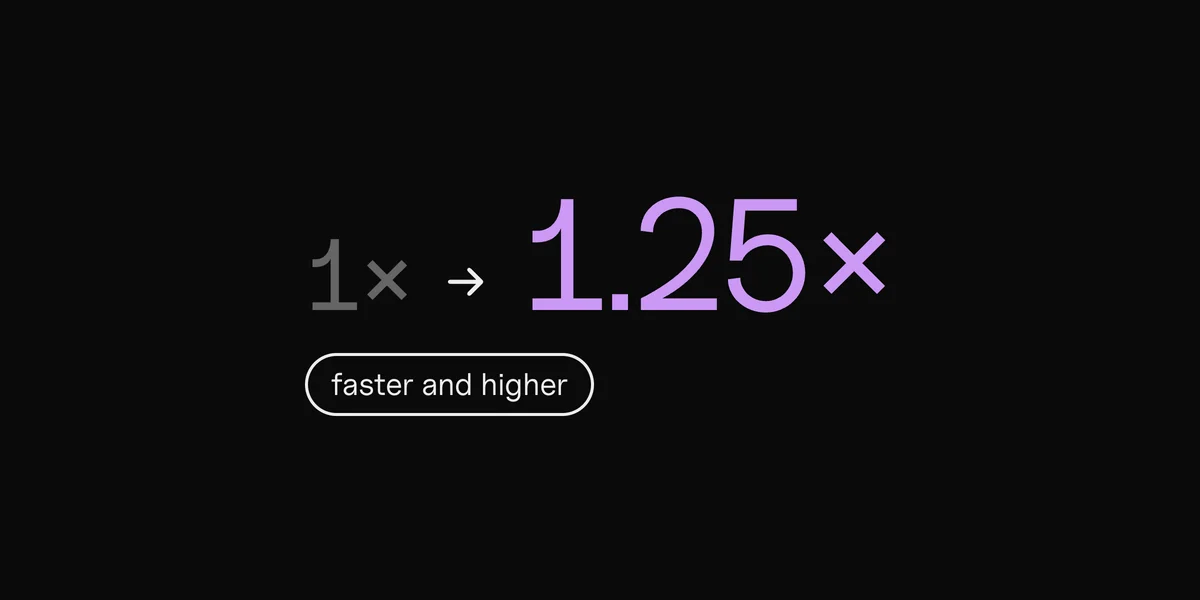
- Earn saves. A save tells Spotify the song fits that listener. Spotify's own numbers say tracks with a Canvas loop get saved more (see our Canvas guide).
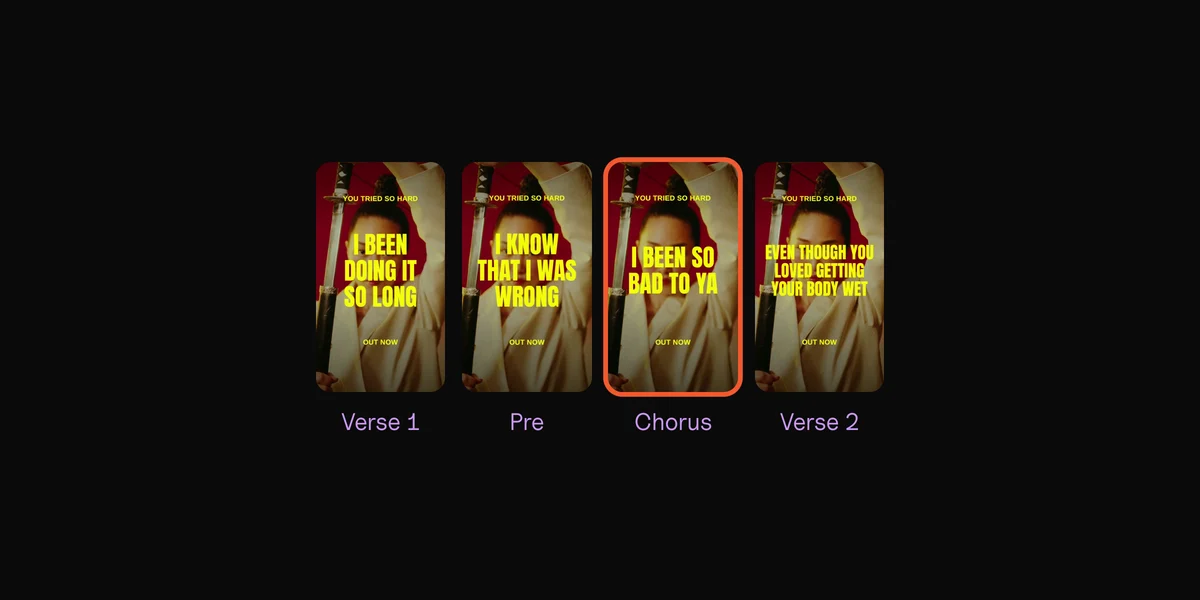
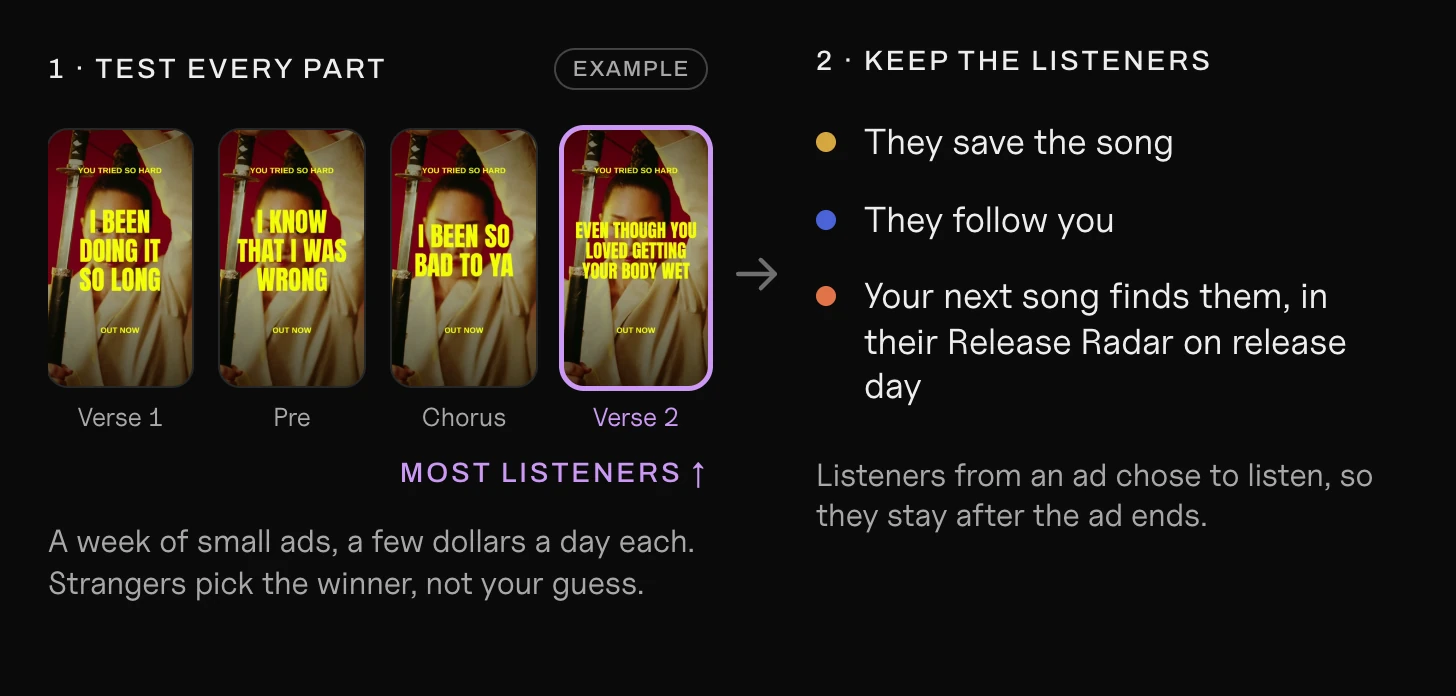
- Bring listeners who chose to come. An ad that puts the strongest part of your song in front of the right people sends Spotify listeners who save and follow, instead of passing listeners who skip.
- Release regularly. Each release is another Friday in Release Radar and another round of signals.
- Don't buy streams or "guaranteed" playlist spots. Spotify says paid services that guarantee streams aren't legitimate, and bought plays never save or follow.
Find the part of your song that brings listeners.
Clips makes the ad for every part, from one song.
Rules of thumb (not from Spotify)
- Popularity score thresholds (around 30 to start reaching new listeners through Release Radar and Discover Weekly) are rules of thumb from promotion services. Spotify hasn't confirmed them, though they may reflect how the algorithm behaves. Your followers get your release either way. More in our popularity score guide.
- "Save rate" targets (a fixed percentage that unlocks the algorithm) aren't published by Spotify either. Saves clearly matter; treat any exact number you read as a rough guess.
Questions
When does Release Radar update?
Every Friday. Discover Weekly updates every Monday.
How do I get my song on Release Radar?
Your followers get your new releases automatically. Pitch a song in Spotify for Artists at least 7 days before release day to choose which one they get.
How do I get on Discover Weekly?
Spotify doesn't publish how songs are picked. It says its recommendations learn from listening, saving, skipping and following, so songs that the right listeners play, save and come back to have the best chance.
Do skips hurt my song?
Spotify says skips shape how it reads each listener's taste. Reaching listeners who like your kind of music matters more than reaching as many people as possible.
Can I pay to get on Release Radar?
No. Followers get it for free. Discovery Mode, which Spotify charges a commission for, works in Radio, Autoplay and Mixes, not Release Radar.
Sources
- Understanding recommendations on Spotify, Spotify
- Getting music on Release Radar, Spotify for Artists
- Find playlists (when Release Radar and Discover Weekly update), Spotify
- Using Discovery Mode in Spotify for Artists and Discovery Mode contexts, Spotify for Artists
- Share new music for playlist consideration, Spotify for Artists
- Artificial streaming and paid 3rd-party services that guarantee streams, Spotify for Artists
 Clips5 min read