What is an ISRC code?
An ISRC (International Standard Recording Code) is a 12-character code for one sound recording or music video. It stays with that recording for life, whoever owns it and whatever release it's on.
It has three parts:
- The prefix (5 characters), given out by an ISRC agency.
- The year (2 digits): the year the code was assigned, not the year you recorded.
- The number (5 digits), unique within that year.
You'll see it written like AA-6QZ-20-00047. The dashes are only there for reading: the code itself is the 12 letters and numbers, AA6QZ2000047.

ISRC vs UPC
- ISRC: one recording. Every song on a release has its own.
- UPC: one release. A single, an EP or an album gets one UPC (or EAN), a 12- or 13-digit barcode number.
So a single with one song has one UPC and one ISRC. A 10-song album has one UPC and ten ISRCs. If the single is also on the album, the song keeps its ISRC, and the album gets a new UPC.
Neither code is for the song as you wrote it. The composition has a third code, the ISWC, which comes through your performing rights organization (ASCAP or BMI in the US).

How to find your ISRC and UPC
If you released through a distributor, it gave you the codes. Open the release in its dashboard:
ISRC · UPC · Use your own ISRC
| Distributor | ISRC | UPC | Use your own ISRC |
|---|---|---|---|
| DistroKid | Release page, next to each track | Release page, beside the artwork | Musician Plus or Ultimate |
| TuneCore | Release page, under each song | Album Overview, under "Label" | Yes |
| CD Baby | View/Edit, then Tracks & Audio | Albums & Singles, UPC / EAN column | Yes |
| Amuse | On each track, once approved | Not in its help pages | Yes |
| Ditto | Your Releases, the release, Tracklist | Not in its help pages | Yes |
| LANDR | My releases, Manage, Tracks | My releases, Manage, Release Info | Yes |
| RouteNote | Discography, View Tracklist | Discography, under the release title | Yes |
From each distributor's help pages, checked 15 October 2026. What the table leaves out:
- The codes can appear late. TuneCore shows the UPC only after it approves the release. CD Baby assigns ISRCs when it inspects the release, and you can ask for them earlier. DistroKid assigns ISRCs just before it delivers to stores.
- Your own UPC: DistroKid, Ditto and LANDR always make a new one. TuneCore takes yours on pay-per-release or its Professional Unlimited plan. CD Baby and RouteNote take yours.
- Released through an earlier distributor? That distributor has the codes. Ask it.
We found no help page from Spotify for Artists or Apple Music for Artists that shows where to see a song's ISRC. Your distributor is the place to look.
ISRC lookup: find any song's ISRC
For someone else's song, or yours if you can't reach the old distributor, use the official ISRC search. It's free.
- Open isrcsearch.ifpi.org. It's the International ISRC Agency's database, powered by SoundExchange.
- Type the artist name and the song title. Put the words in quotation marks for an exact match.
- Pick the right recording. Each result shows the artist, title, version, year, duration and ISRC. The Advanced tab narrows it by version (radio edit, acoustic) and year.
- Turn on releases to see the UPC. Each result then adds the release, its label, its date and its UPC.
- Have a code already? The Look up by code tab takes an ISRC or a UPC/EAN and shows what it belongs to.
If a song isn't there, the database may not have it: it updates daily from data sent to SoundExchange, and a distributor may or may not send its ISRCs there.
How to get ISRC and UPC codes
From your distributor. It assigns both when you leave the code fields empty. TuneCore, Ditto, LANDR and RouteNote say on their help pages that both are free; DistroKid and Amuse say so for ISRCs. For most self-releasing artists, this is all you need.
Your own ISRCs, if you want codes that are yours whichever distributor you use:
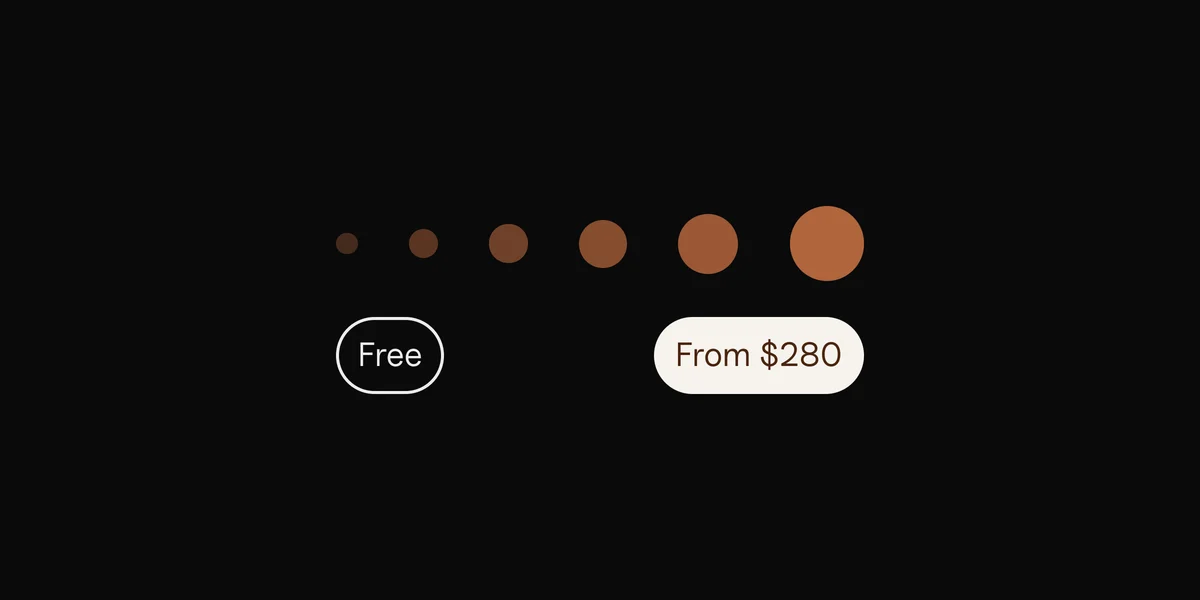
- In the US: the US ISRC Agency, run by the RIAA at usisrc.org. A Rights Owner Prefix costs a one-time $95, then you can assign up to 100,000 ISRCs a year to recordings you own.
- Elsewhere: the ISRC agency for your country (PPL in the UK, for example). IFPI keeps the full list.
- Just a few codes: the International ISRC Agency assigns them online to self-releasing artists. £15 (plus VAT where it applies) buys 30 credits, and each ISRC costs 3.
Whoever gives you ISRCs, Spotify's glossary advises making sure they're granted to you for good.
Your own UPC, if you press CDs or vinyl or want the barcode in your name: buy it from GS1. In the US, one barcode costs $30 once. DistroKid says its UPCs are only meant for distribution through DistroKid.
When you need your ISRC or UPC
- Claiming Spotify for Artists before your first release: Spotify asks for the release's UPC or EAN, with your artist link.
- Putting a single on your album: enter the single's ISRC for that song. Spotify says single and album versions should share one ISRC.
- Switching distributors: keep your ISRCs. LANDR, CD Baby and TuneCore all say to use the same ones. TuneCore and CD Baby also let you keep the UPC if the release is exactly the same.
- US radio-style streaming royalties: SoundExchange pays recording artists and owners for plays on SiriusXM, Pandora and iHeartRadio, and matches plays to recordings by ISRC. Registering is free.
- YouTube: your distributor usually sends each recording with its ISRC. YouTube makes one sound recording asset for Content ID, and one Art Track, per ISRC.
- Licensing: licensing companies use the ISRC to refer to the recording, for example in usage reports.
Same ISRC or a new one?
Keep the same ISRC when the recording is the same: on an album after the single, on a compilation, with a new distributor, or after the rights change hands.
Get a new ISRC when the recording changes:
- A remix or an edit, including a radio edit.
- A live or acoustic version.
- A change in length of more than 10 seconds.
- A music video: it gets its own ISRC, separate from the song's audio.
A remaster is the grey area. The International ISRC Agency says a remaster usually keeps the original ISRC. LANDR and CD Baby ask for a new one, so check with your distributor.

The three mistakes to avoid:
- A new ISRC for the same recording. Your plays split across two codes. Spotify's 1,000-streams-a-year threshold for royalties counts each ISRC on its own, and the US ISRC Agency warns that a second ISRC "can cause problems in getting paid."
- One ISRC for two versions. A code can never stand for more than one recording, so the plays and payments of the two versions can't be told apart.
- Leaving it to fix later. Apple says an ISRC can't be edited once delivered. DistroKid and TuneCore can't change codes after delivery either: you'd take the release down and upload it again.
Once your codes are in order
The codes keep your plays and payments in the right place. Getting the song heard is the next job. Our guides on putting your music on Spotify, choosing a distributor and promoting a song with ads cover it.
Questions
How do I get an ISRC code for free?
Release through a distributor and leave the ISRC field empty: it assigns one. DistroKid, TuneCore, Amuse, Ditto, LANDR and RouteNote all say on their help pages that it's free.
Can I see my ISRC in Spotify for Artists?
We found no Spotify help page that shows a way to. Look on the release's page in your distributor's dashboard, or search the free ISRC database at isrcsearch.ifpi.org.
Can I find an ISRC from a Spotify link?
Spotify publishes each track's ISRC in its developer data, so unofficial ISRC finders that take a Spotify link can show it. The official search is isrcsearch.ifpi.org, by artist and title.
Do I keep my ISRCs if I switch distributors?
Yes. Use the same ISRCs and the exact same details, so stores can match the new release to the old one. Distributors don't guarantee it works on every store. The UPC depends on the distributor: some let you keep it for an identical release, others always make a new one.
Can I change an ISRC after release?
No. Apple says an ISRC can't be edited once delivered, and DistroKid and TuneCore lock it too. To use a different code, you'd take the release down and upload it again, and TuneCore says stores then treat it as a new product.
Does a music video need its own ISRC?
Yes. A music video is a different recording from the song's audio, even with the same sound, so it gets its own ISRC. Spotify for Artists has a field for a Video ISRC when you upload a video.
Sources
- ISRC structure, FAQ, When to assign, When not to assign and Music videos, International ISRC Agency (IFPI)
- ISRC search, Search our database, Assign ISRC online and ISRC agency contacts, International ISRC Agency (IFPI)
- US ISRC Agency, About ISRC and How it works, RIAA
- All about ISRCs and Artists, labels and producers, SoundExchange
- Track monetization eligibility, Getting access to Spotify for Artists, Uploading videos and Glossary of music industry terms, Spotify for Artists
- Get Track, Spotify for Developers
- Digital packaging for music, Apple Music Provider Support
- Sound Recording assets and Assets and objects created for Art Tracks, YouTube Help
- Getting ISRCs from DistroKid, How do I find the UPC for my release?, What is a UPC?, Using existing ISRCs or UPCs, Single before album and Changing an ISRC, DistroKid
- TuneCore UPCs and ISRCs, Switching to TuneCore and What changes cannot be made after distribution?, TuneCore
- Can I get ISRCs from CD Baby?, Understanding UPC barcodes, Understanding ISRCs, Adding a released single to an album and Switching to CD Baby, CD Baby
- ISRC, Amuse
- The same track on multiple releases, What is an ISRC code?, What is a UPC/EAN code? and Can I use an existing UPC?, Ditto Music
- What are ISRC and UPC codes?, LANDR
- Where do I find my UPC and ISRCs?, How do I get my ISRCs and UPCs? and What is a UPC?, RouteNote
- How to get a UPC barcode, GS1 US
 Clips6 min read